Enterprise ArchitEcture

Found this helpful? Share it with peers.
Introduction
Compliance is becoming increasingly complex, driven by regulations such as DORA, NIS2, GDPR, the Cyber Resilience Act, and key ISO standards. The real challenge isn’t understanding the rules — it’s gaining visibility across the organisation and proving compliance efficiently.
This is where enterprise architecture compliance plays a critical role. EA provides a structured, end-to-end view of processes, applications, data, and dependencies, helping organisations uncover gaps, align controls, and translate regulatory requirements into actionable steps. Combined with tools like ADOGRC, it becomes far easier to assess risks, map responsibilities, and produce audit-ready evidence.
In short: Enterprise Architecture gives you the clarity, structure, and foundation needed to manage compliance with confidence.
How Enterprise Architecture Simplifies Compliance Complexity
Enterprise Architecture is not merely an IT discipline; it’s a strategic enabler for EA in business transformation and compliance. It bridges the gap between high-level regulatory requirements and actionable plans, enabling organizations to map and analyze their Enterprise Architecture to support compliance initiatives effectively.
1. Reveal How Value and Risk Flows Through the Organization
Compliance starts with understanding how your business actually works. EA allows you to map value streams, capabilities, processes, and dependencies, making it easy to identify where risks emerge and which areas must meet stricter controls.
With EA, organizations can:
- Map value streams and key activities: Visualizing how value is created, delivered, and supported across the business.
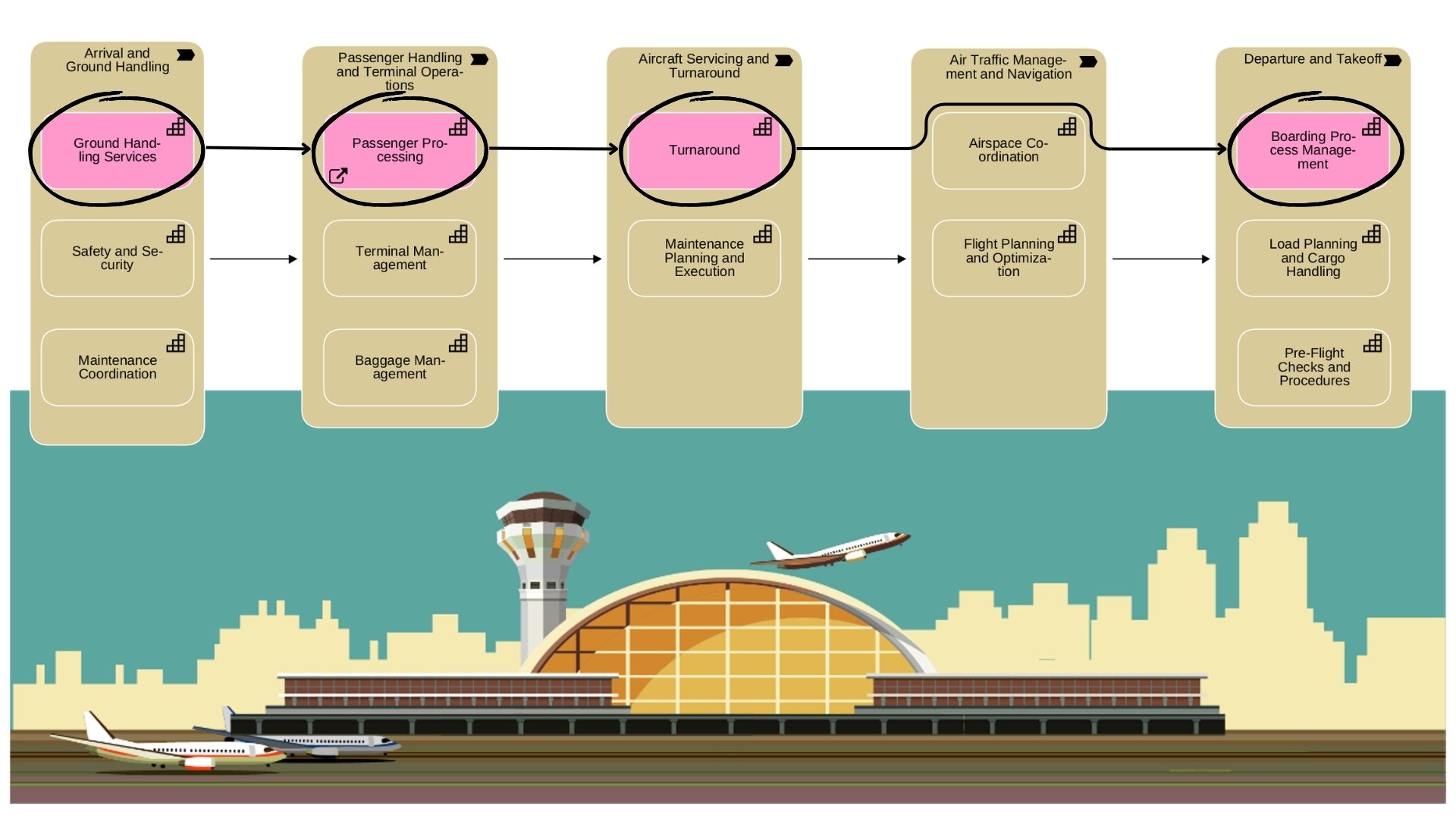
Simplified capability map with business-critical value flow highlighted
- Identify critical dependencies: Highlighting how specific applications, data, and technologies underpin key value-creating activities.
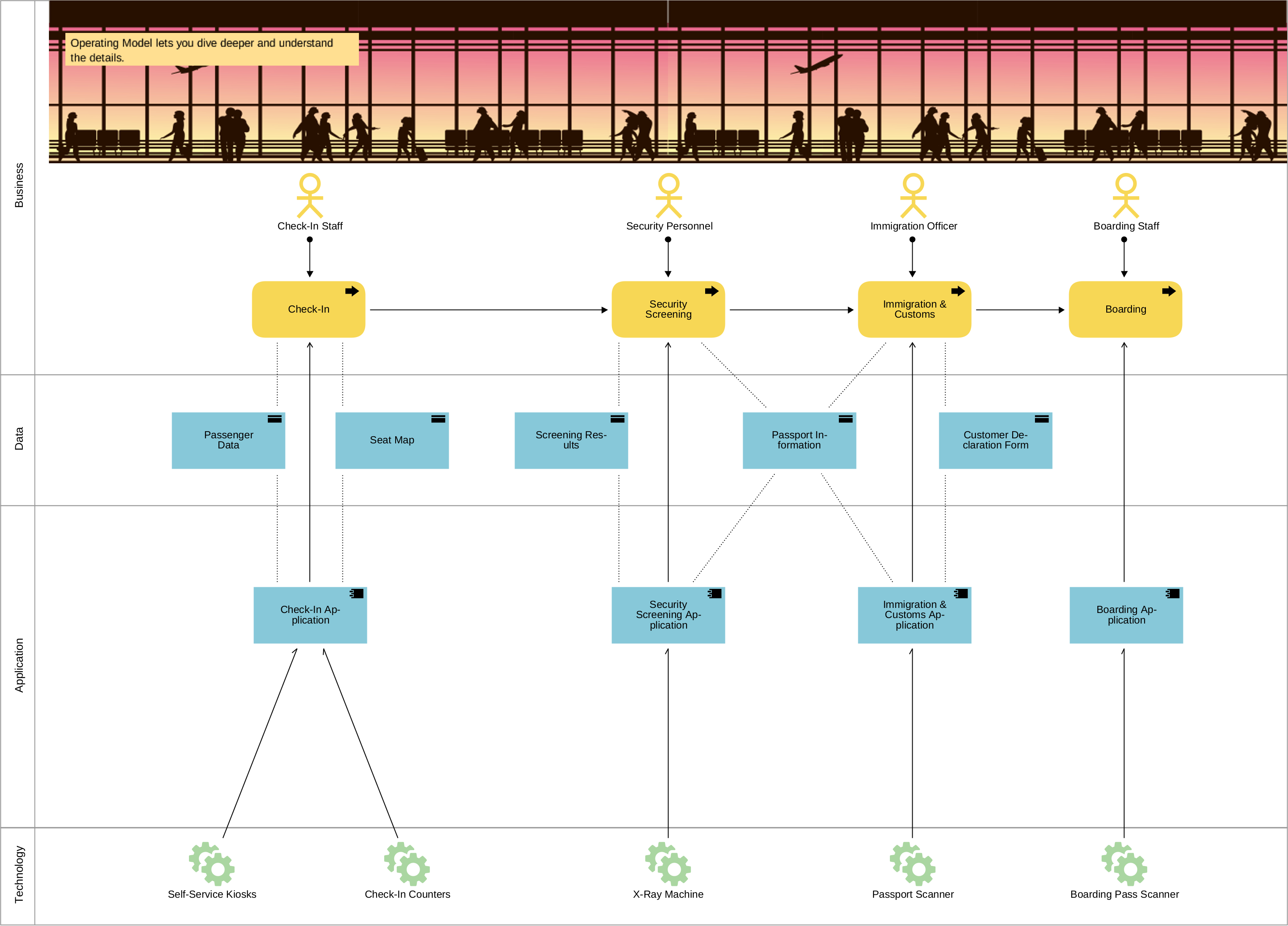
Digging deeper – Exemplary Operating Model of one of the Critical Business Capabilities of an airport
-
Spot bottlenecks and risks before they impact resilience or regulatory alignment — a structured approach like bowtie risk management can help visualize and communicate these risks with greater precision.
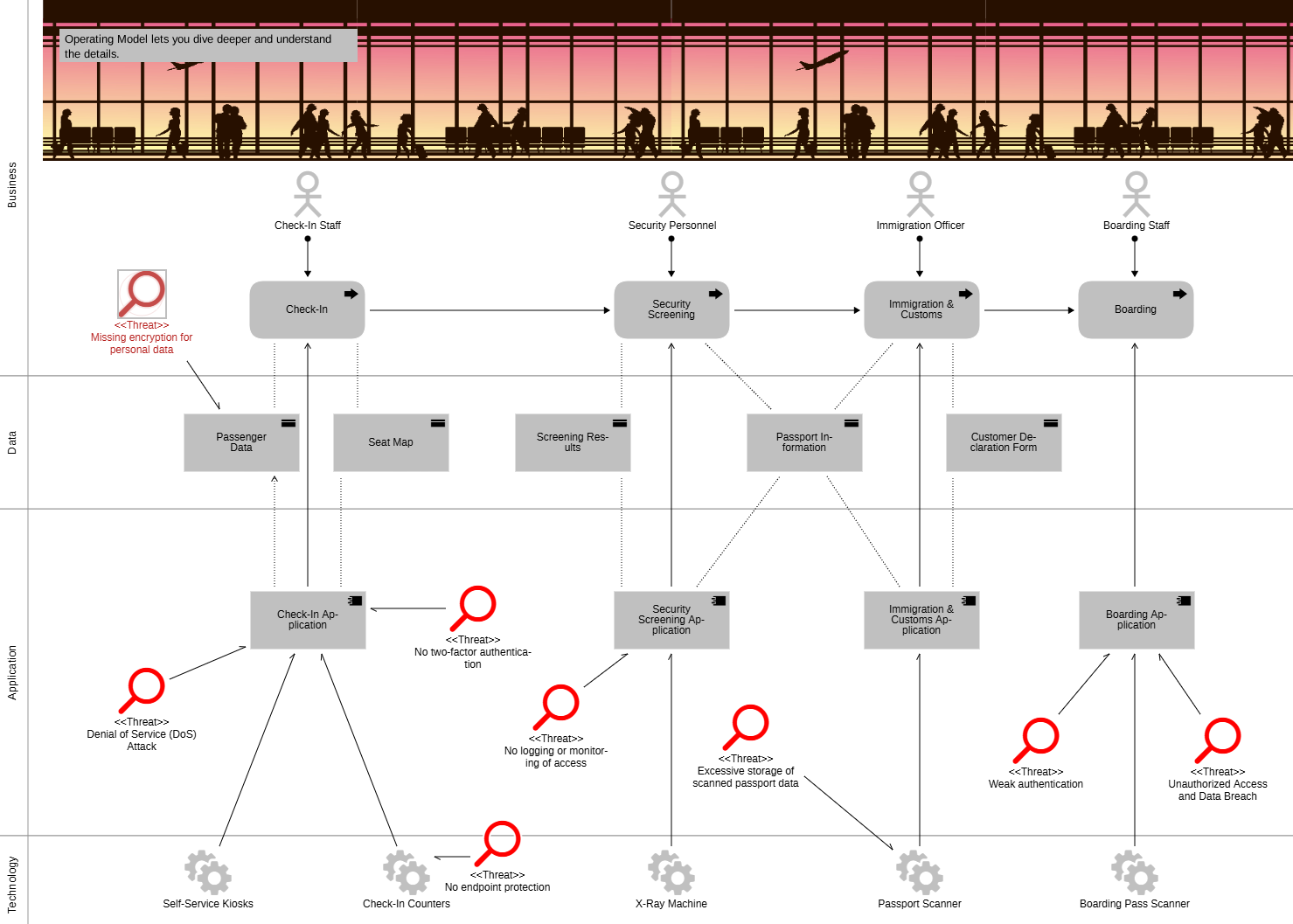
Exemplary result of an Architecture Thread Modelling session – Identified risks
By aligning compliance efforts with what truly matters to the business, EA ensures that attention—and investment—goes where it has the greatest regulatory and strategic impact.
2. Turn Requirements Into Clear Roadmaps and Action Plans
Once compliance gaps are identified, EA helps translate them into structured, prioritised initiatives.
Using EA-driven Roadmapping, organizations can:
- Prioritise mitigation work based on effort, impact, and business value
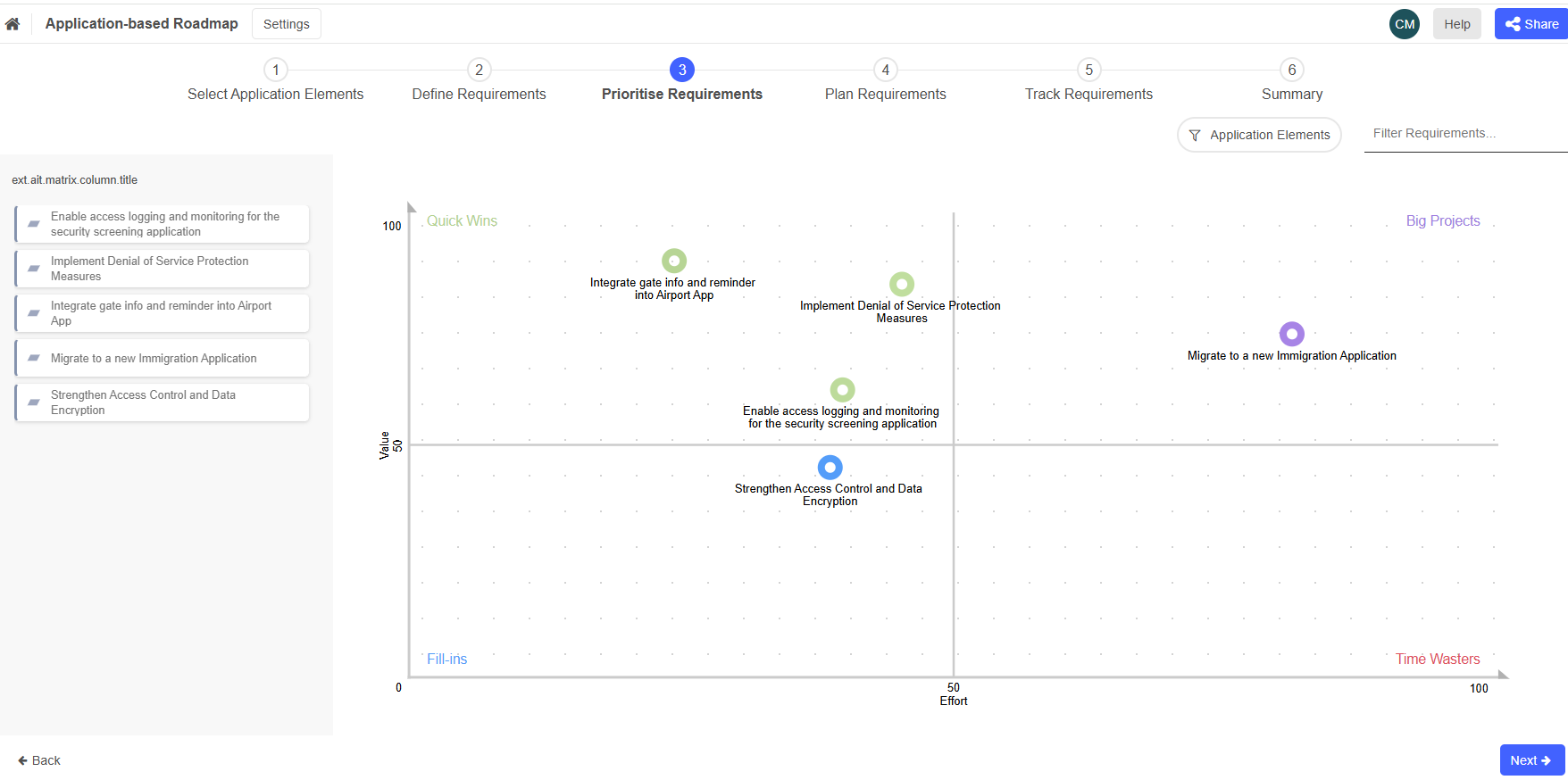
Visualization of the priority of the compliance topics based on effort and value
- Build actionable compliance roadmaps for cybersecurity, applications, or data management
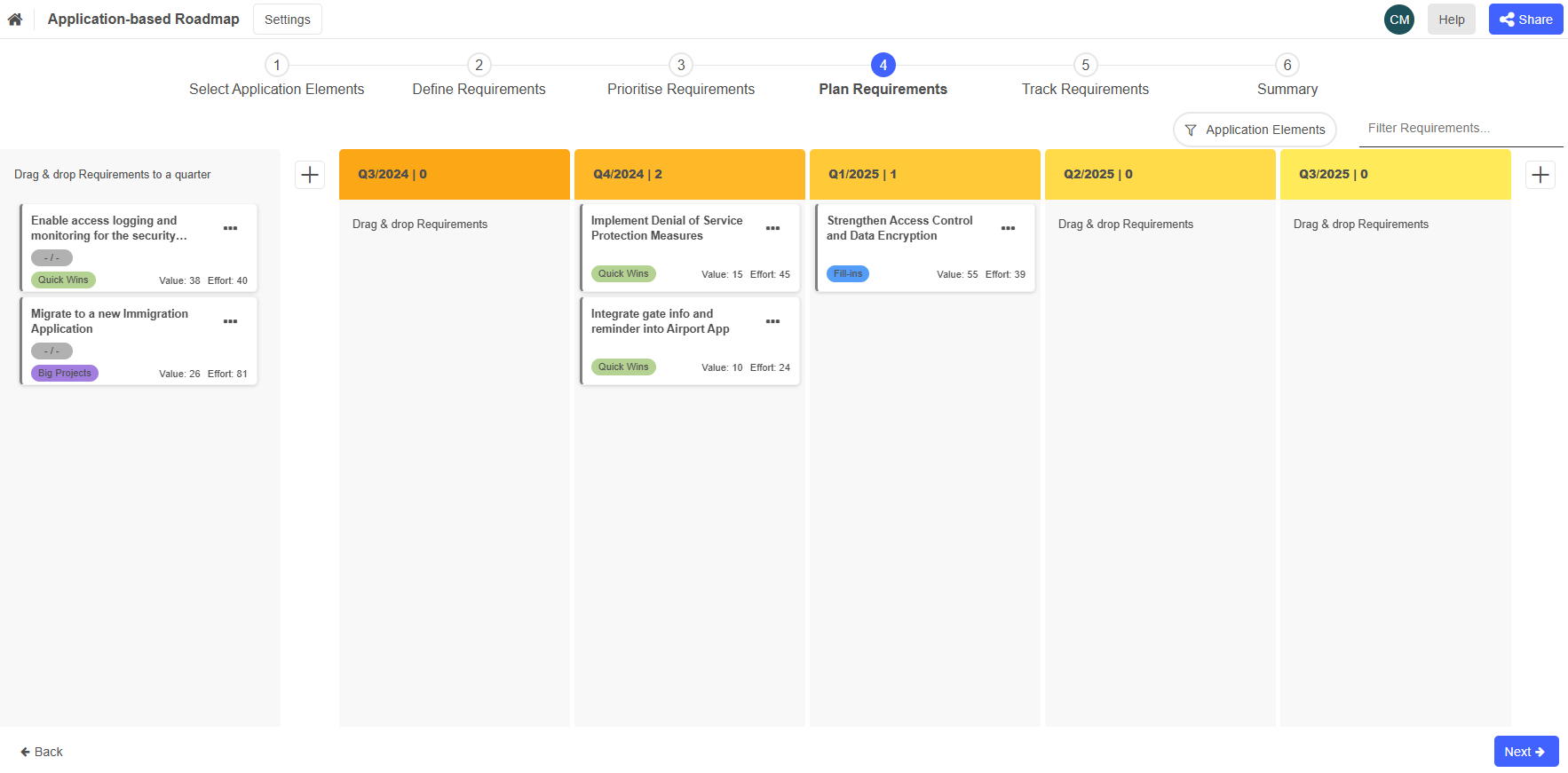
Roadmaps in Kanban-style (ADOIT 17.3)
- Track progress against milestones to ensure timely and coordinated execution
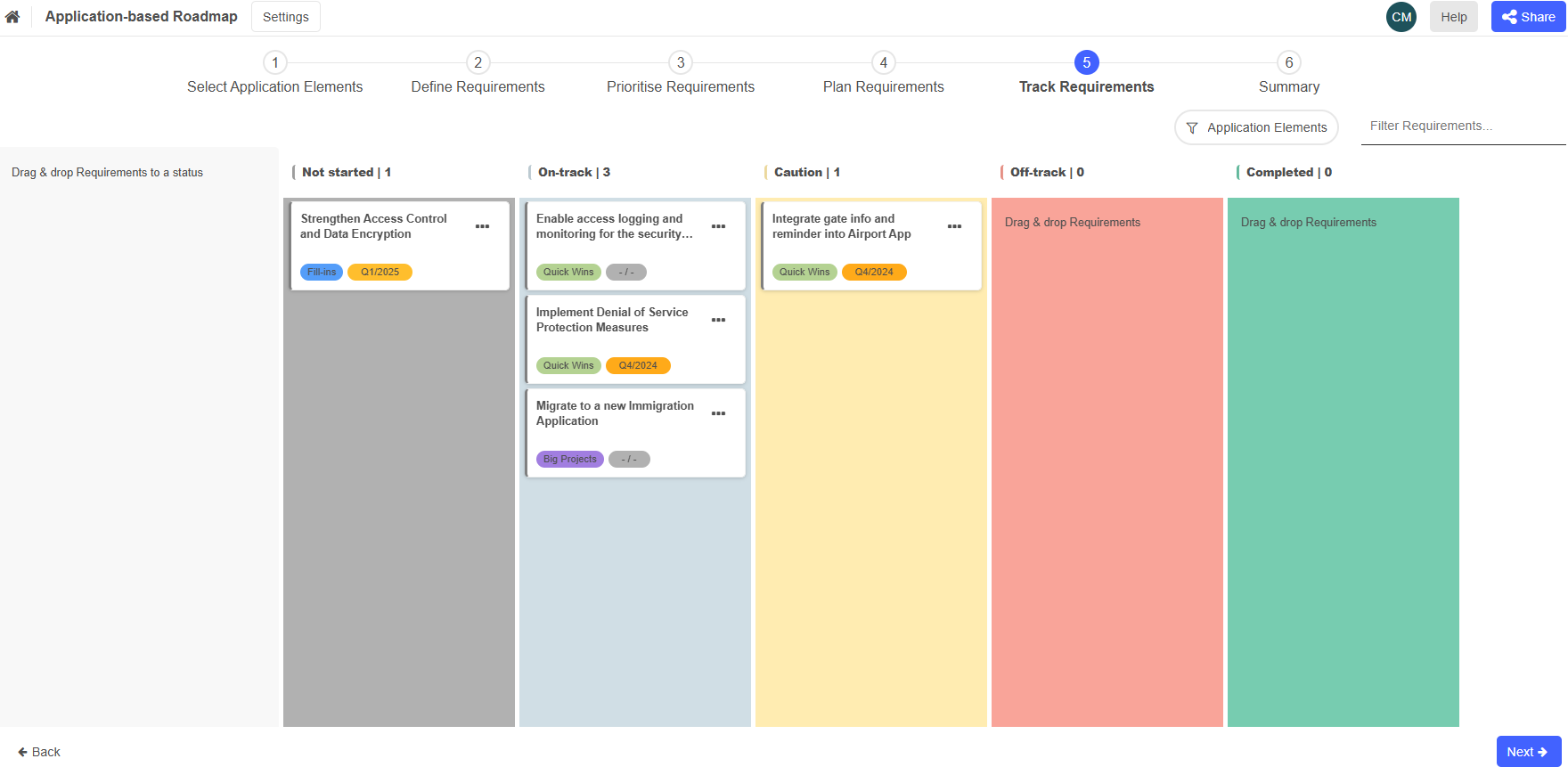
Tracking implementation progress of mitigation tasks (ADOIT 17.3)
3. Scale Compliance Across Multiple Standards Efficiently
Modern organisations must comply with multiple overlapping frameworks, such as DORA, GDPR, NIS2, CRA, ISO standards, and sector regulations. EA provides a unified view that reveals where requirements intersect, preventing redundant work and improving consistency.
With EA, teams can:
-
Identify shared controls across multiple regulations
-
Reduce duplication by aligning similar requirements
-
Improve collaboration between business, IT, security, and compliance stakeholders
This scalable approach turns compliance from a reactive effort into a proactive capability that strengthens resilience and reduces long-term costs.
Hint: Explore the top trending GRC topics for 2025 in our comprehensive whitepaper.
Summary
Compliance is no longer just an audit requirement — it’s a shared organisational responsibility that demands clarity, coordination, and continuous improvement. Enterprise Architecture compliance provides the structure needed to understand how the business operates, identify gaps across multiple regulations, and align mitigation efforts with strategic priorities.
By combining EA with solutions like ADOIT and ADOGRC, organisations can:
-
Gain a complete view of their business and IT landscape
-
Reduce duplication by aligning overlapping regulatory requirements
-
Build proactive, scalable compliance capabilities that evolve with new regulations
When compliance becomes part of the organization’s architectural foundation, it stops being overwhelming and becomes a source of resilience, efficiency, and trust. For a broader perspective on what makes this journey difficult, explore the most common EA challenges and how to overcome them.





Already got our weekly updates?