Enterprise ArchitEcture
Found this helpful? Share it with peers.
Setting the Stage: Health, Safety, and Complexity
As Austria’s central authority for health and food safety, AGES protects public well-being across an extraordinary range of domains, from food and animal health to medical supervision and radiation protection.
This broad mandate depends on an equally complex IT landscape. Over time, dozens of systems and technologies emerged to support specialized tasks, creating a patchwork of tools and data silos. For the IT division, that meant limited visibility, redundant systems, and growing maintenance challenges.
To keep pace with evolving regulations and digital transformation goals, AGES needed a clearer, more connected view of its technology ecosystem – one that could link systems, data, and strategy into a single, transparent framework.
Recognizing this, the agency set out to build a digital backbone for public health IT: a unified enterprise architecture that would streamline operations, strengthen governance, and enable smarter decision-making across the organization.
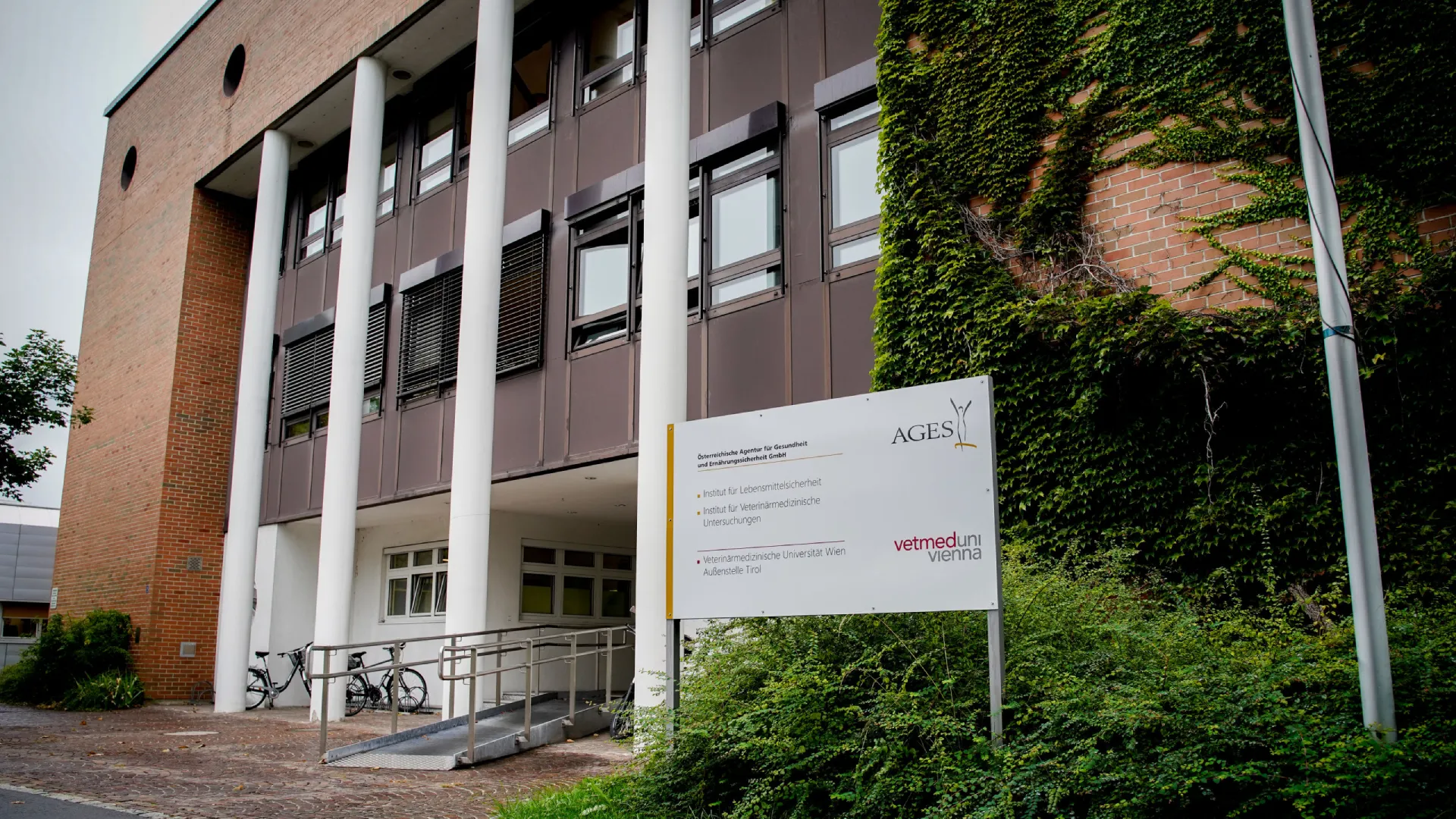
© AGES/Felice Drott
The Initiative: From Reorganization to Integration
AGES’ Enterprise Architecture journey began in 2023 during a major IT reorganization. Amid this change, Enterprise Architect Thomas Birbach initiated a structured approach to Enterprise Architecture with a clear mission: to turn AGES’ fragmented IT landscape into a connected, data-driven ecosystem.
“Our goal was to create clarity – to understand which technologies we use, where redundancies exist, and how we can strategically evolve our IT,” explains Birbach.
The timing proved ideal. The restructuring gave EA a natural place within AGES’ operating model. Soon after, the organization established an Enterprise Architecture Board to oversee governance, ensure alignment, and guide strategic IT planning.
This governance framework became the foundation for a more integrated and transparent IT management approach — a clear example of EA in business transformation — linking technology oversight with business priorities and long-term digital objectives.
Choosing the Right Partner: Why ADOIT
With the framework in place, the next step was selecting the right platform to bring AGES’ vision to life. The team evaluated several leading EA tools, before ultimately choosing ADOIT by BOC Group.
The decision came down to balance. ADOIT offered the ideal mix of flexibility, usability, and value – powerful enough for detailed modelling and governance, yet intuitive for non-architect users through clear visualization and integration capabilities.

Thomas Birbach
Enterprise Architect at AGES
By combining structured methodology with accessible design, ADOIT gave AGES the foundation to scale EA across teams and embed it into everyday IT management.
Building the Foundation: Concepts, Processes, and Governance
After selecting ADOIT, AGES began laying the groundwork for its Enterprise Architecture practice. The team defined guiding principles aligned with corporate objectives and designed a metamodel to ensure consistent data quality and structure.
From the outset, integration with daily workflows was key. Rather than treating EA as a separate initiative, AGES embedded it directly into existing IT management processes — including Application Portfolio Management — and tools.
“From the beginning, we asked ourselves: how do we make EA useful in daily life?” says Birbach. “We wanted it to become the nervous system of our IT – connecting information, signaling changes, and supporting decision-making.”
This approach ensured that architecture didn’t remain theoretical; it became the connective layer supporting planning, governance, and continuous improvement across the organization.
ADOIT as the Nervous System of IT
ADOIT soon became the centerpiece of AGES’ connected IT ecosystem, a single, structured repository mapping up to 300 systems and technologies across the organization.
Each application is linked to its technologies, lifecycle data, responsible owners, and documentation, forming the foundation for transparency and data-driven decisions.
Key initiatives include:
-
Application Landscape Documentation: Migrating large Excel inventories into ADOIT to establish a single source of truth.
-
Standardized Operating Manuals: Linking every application to its Confluence handbook via ADOIT attributes.
-
Technology Standardization: Defining target stacks to guide implementations and ensure consistency.
-
Integration with Jira: Tracking architectural goals as annual objectives and linking changes back to ADOIT for full traceability.
Embedding ADOIT directly into everyday tools like Confluence and Jira made Enterprise Architecture intuitive for all teams.
This seamless integration lets people work in familiar environments while keeping all architecture data consistent, connected, and accessible across the organization.

Ensuring Data Quality: Automated Processes and Accountability
Data quality quickly emerged as a defining success factor. To keep information accurate and reliable, the team implemented automated update cycles within ADOIT, ensuring continuous accuracy, accountability, and compliance with regulations such as NIS2 and GDPR.
Using ADOIT’s Date Actuality Mail feature, application owners automatically receive reminders to review and confirm their data.
The annual EA planning cycle combines this validation with budgeting and roadmap development, creating a continuous improvement loop between architecture, operations, and strategy.
The result: data that is always current, complete, and ready to support informed IT and governance decisions.
Expanding the Scope: From Applications to Data and Processes
Having established a stable EA foundation, AGES is now extending its scope beyond applications to include data and business processes.
The team has begun modelling data objects in ADOIT to map how information flows through the organization, from laboratory systems to national regulatory platforms. This effort strengthens data governance, uncovers opportunities for reuse, and ensures compliance across AGES’ ecosystem.
This evolution marks a major step forward, turning EA from documentation into a living ecosystem that drives operational excellence and continuous transformation.
Results & Successes: Integration that Drives Adoption
Enterprise Architecture has become an everyday enabler at AGES, not an isolated discipline. By embedding ADOIT into existing workflows, the agency made architecture accessible, actionable, and valuable across teams.
Key achievements:
-
Full IT transparency: Up to 300 systems and technologies documented in a single, connected repository.
-
Improved collaboration: Architecture data available directly through Jira and Confluence.
-
Higher accountability: Automated reminders keep information current and ownership clear.
-
Smarter decisions: EA insights now directly inform annual IT planning and investment priorities.
One of AGES’ key takeaways: people adopt what’s integrated into their daily work.
Publishing ADOIT data into Confluence transformed architecture from static documentation into daily knowledge. Users can browse applications, see lifecycle data, or access operating manuals – all within their familiar environment.
This approach lowered barriers to entry, increased visibility, and fostered a shared sense of responsibility for IT quality and evolution.
The Road Ahead
AGES’ Enterprise Architecture journey shows how clarity, collaboration, and integration can transform IT management – even in complex public-sector environments.
What began as a documentation effort has evolved into a living architecture framework that connects strategy, technology, and data across the organization.
“With ADOIT, we’ve established a shared foundation for IT transparency and evolution,” concludes Birbach. “It’s not just about architecture diagrams – it’s about connecting people, processes, and technologies across AGES.”
Summary
AGES turned complexity into clarity with ADOIT. By centralizing its IT landscape, standardizing technologies, and embedding Enterprise Architecture into daily operations, the agency built a foundation for smarter governance and seamless collaboration.
Today, ADOIT serves as the digital backbone of AGES’ IT – connecting data, systems, and strategy into one transparent, evolving framework that supports the organization’s public-health mission.